
Applying Calculus in Intelligence Calculations
(The Question of a Coup)
Coups in Africa
Let's examine some well-documented coups in Africa where post-event investigations, memoirs, and expert analyses exactly show the slow-burn patterns of coups:
Elite whispers
Performative loyalty
Silence from insiders, and
Danger being misjudged rather than unseen.
Here are specific, widely studied cases, with the pattern made explicit:












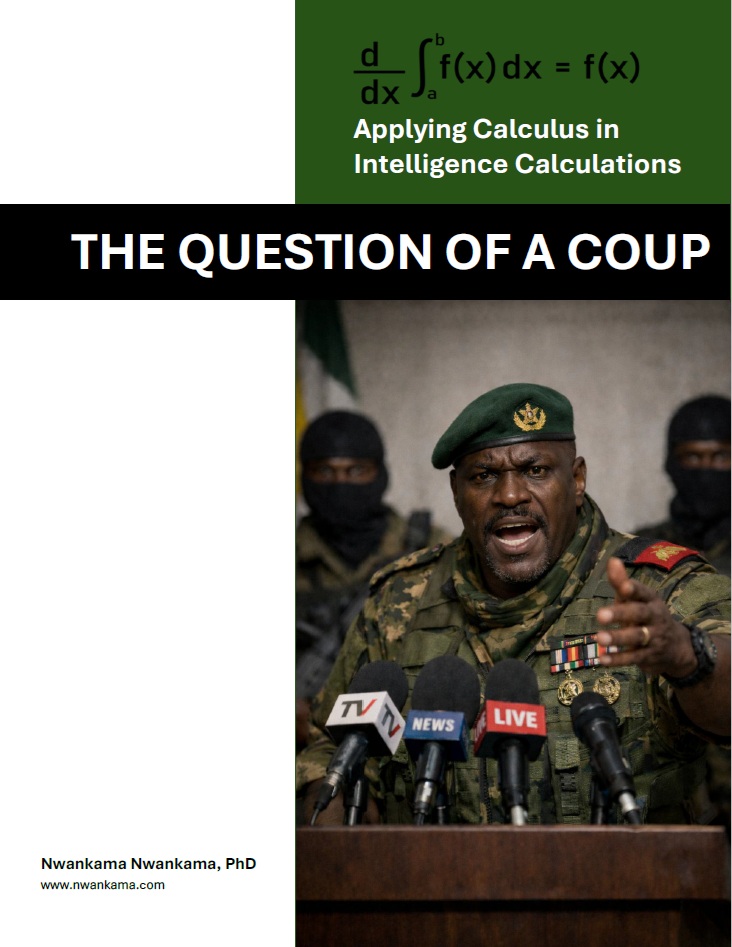
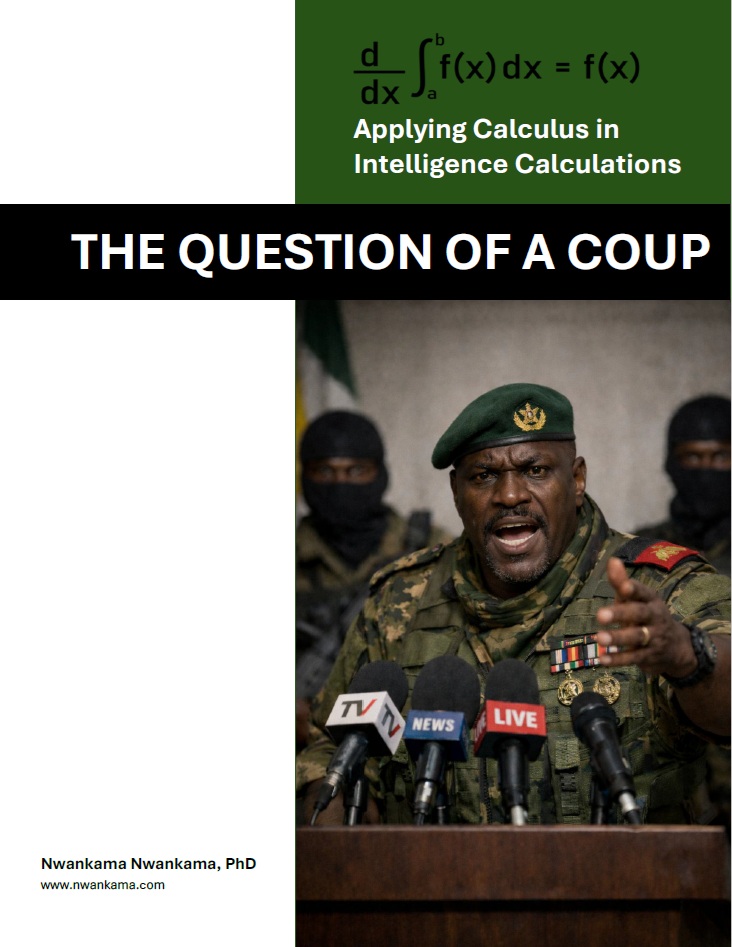
AI-generated image. The image of the military officer is for illustrative purposes only and does not represent any real person or country.
Can the application of advanced mathematical principles help stem coups and support national stability?
ABSOLUTELY!
And, that is Calculus!
Burkina Faso
The Sept 2022 Coup (Capt. Ibrahim Traoré removes Lt. Col. Paul-Henri Sandaogo Damiba)
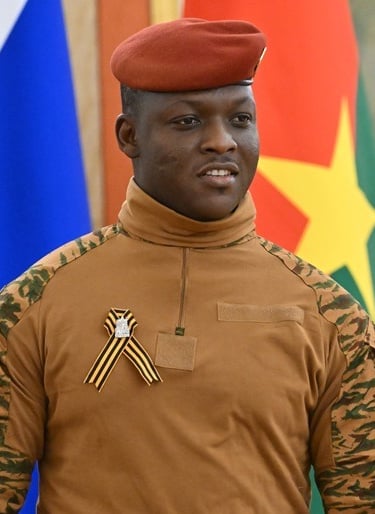
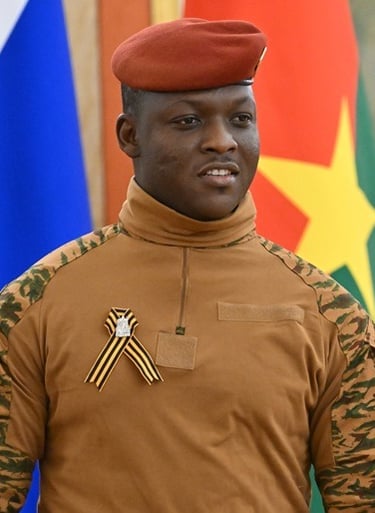
Capt. Ibrahim Traoré, president of Burkina Faso
Image by RIA Novosti archive, image #/CC-BY-SA 3.0, CC BY-SA 3.0
Key veto/force nodes:
Lower/mid-ranking officer networks (the internal veto player).
State media/broadcast control for legitimacy performance.
Read more about key veto/force nodes and the coup indicators and diagnostic grid for today's intelligence analysts.
What Damiba believed:
That seizing power bought time and unity in the officer corps.
That the junta’s security agenda and hierarchy would hold.
What was actually happening:
Reuters quotes the ousters saying they tried “several times” to refocus Damiba—classic internal warning signals that were acknowledged but not resolved, until they became regime-ending.
Scholarly analysis notes the second coup “did not come as a surprise” because frustration in the ranks persisted amid worsening attacks—i.e., the drift was visible; it was mismanaged.
President Roch Marc Christian Kaboré Overthrown; Lt. Col. Paul-Henri Sandaogo Damiba rises)
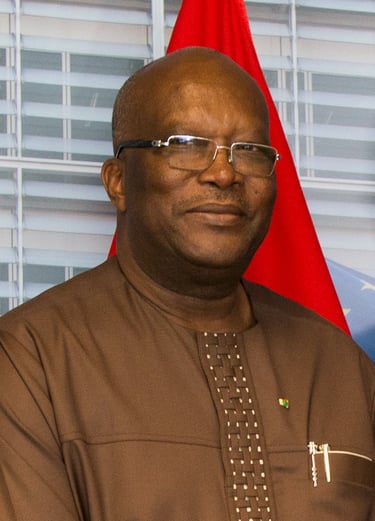
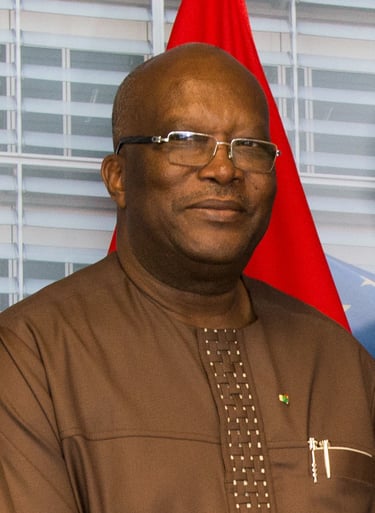
Roch Marc Christian Kaboré, former president of Burkina Faso
Key veto/force nodes:
Disaffected military units under insurgency stress.
Security command structure claiming authority to “restore” state capacity.
Read more about key veto/force nodes and the coup indicators and diagnostic grid for today's intelligence analysts.
What the civilian leadership believed:
That security deterioration could be managed politically (cabinet changes, messaging, partial reforms).
That the military would remain an instrument, not a veto player.
What was actually happening:
Reuters is explicit: the army justified takeover by citing deteriorating security and failure to respond effectively—meaning the “insecurity grievance” was both real and politically mobilizing inside the force node.
The 2015 failed coup against the transitional government
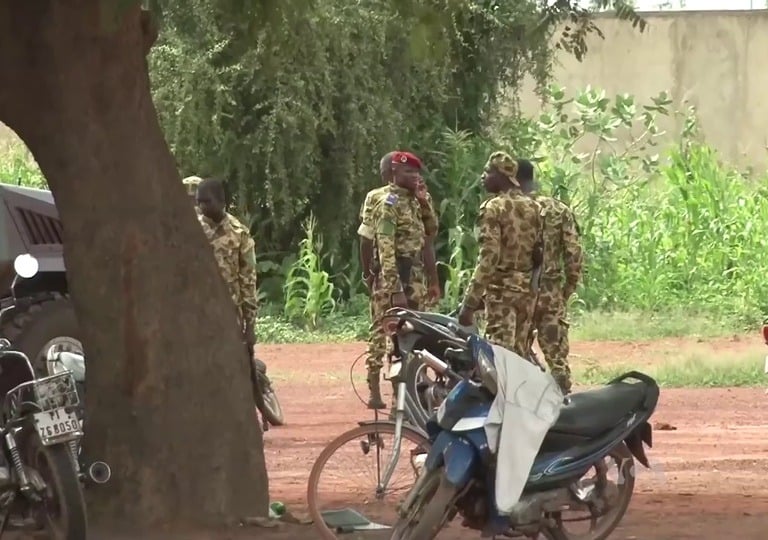
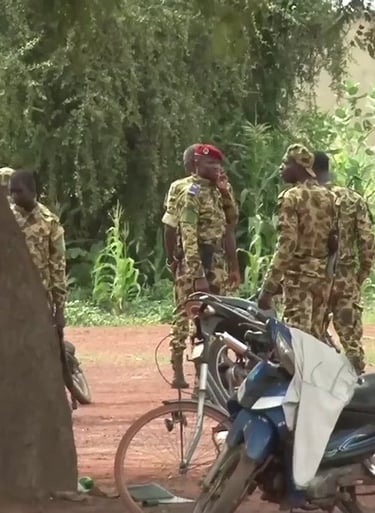
Soldiers of Regiment of Presidential Security in Ouagadougou during the 2015 Burkinabé coup d'état
Before the coup:
Members of the elite presidential guard maintained formal obedience while signaling resentment through non-cooperation and strategic ambiguity.
Political actors assumed institutional continuity would restrain the guard.
After the coup (as analysts noted):
Courtesy without commitment—handshakes without loyalty.
The transitional leadership underestimated how far loyalties had already shifted.
Read more about key veto/force nodes and the coup indicators and diagnostic grid for today's intelligence analysts.
Can the application of advanced mathematical principles help stem coups and support national stability?
ABSOLUTELY!
And, that is Calculus!
Common Patterns in the Coups
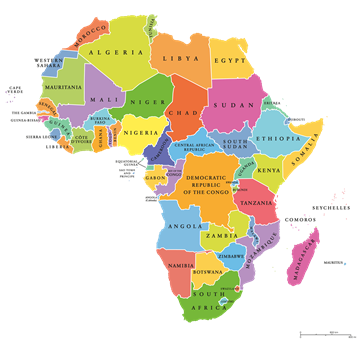
Other Countries
Across these cases, experts consistently identify the same sequence:
Elite discontent becomes private, not public
Rituals of loyalty continue, but substance disappears
Advisers hedge, delay, or fall silent
Leaders mistake formality for fidelity
The coup appears sudden—only in retrospect
One day, an administration stands;
The next, it is gone!
This is why many coup experts argue that coups are not shocks but revelations: the moment when invisible shifts finally become undeniable.
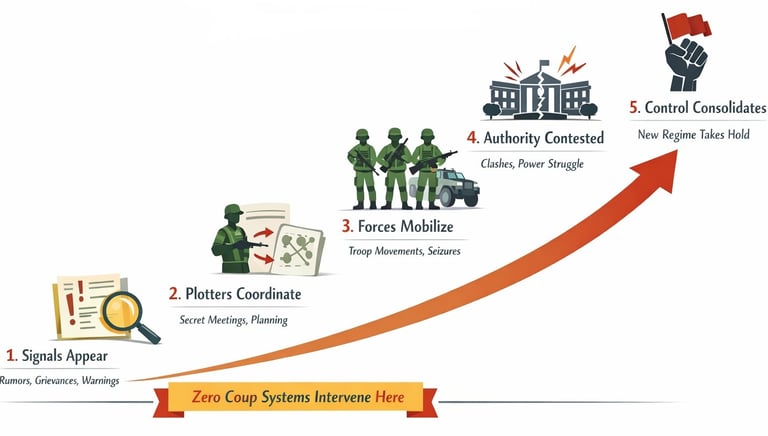
The Coups Trajectory
The Coup Pathway
Signals appear
Plotters coordinate
Forces mobilize (red zone A)
Authority is contested (red zone B)
Control consolidates (red zone C)
Zero Coup systems intervene at stages 1 or 2—never waiting for stage 3 (the red zones).
About the tool book
This free introductory manual starts where conventional intelligence analysis grows uncomfortable—and grinds to a screeching halt—and that is, sophisticated mathematics. No one likes maths, but it's maths that saves the day, every day. This manual takes a turn most intelligence analysts never expect: Calculus. This is not just equations; it's not academic maths, but a discipline designed to reason under uncertainty, thresholds, and hidden coordination.
Yes, many intelligence failures are driven less by missing information and more by a false sense of certainty.
Calculus accounts for what you do not know! In this case, calculus may be the missing tool leaders never realized they needed.
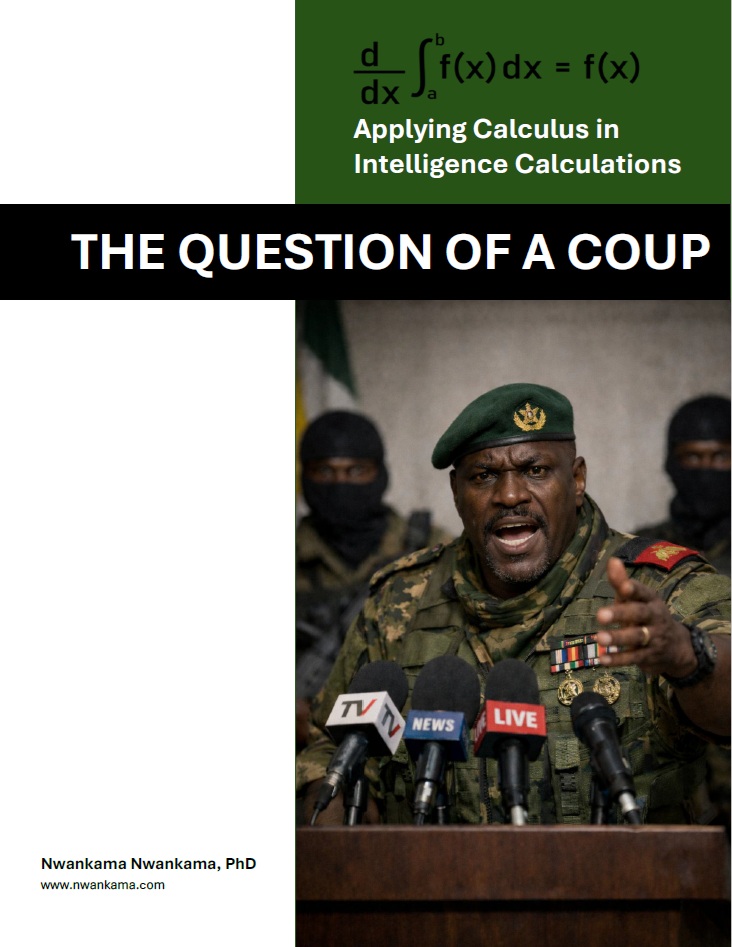
AI-generated image. The image of the military officer is for illustrative purposes only and does not represent any real person or country.
What intelligence analysts will get from this manual:
A disciplined way to treat coup risk as a continuously evolving process rather than a binary outcome.
A method for preventing repeated signals from masquerading as independent confirmation.
Practical tools for integrating noisy, incomplete, and deceptive intelligence without forcing premature conclusions.
A calculus-based framework for handling hidden coordination, thresholds, and nonlinear escalation.
Protection against false certainty created by consensus, narrative dominance, or analytic momentum.
Clear guidance on when confidence is warranted, conditional, or unjustified.
An approach that strengthens judgment without replacing experience or tradecraft.
Techniques for briefing senior leaders that explain not just what you assess, but why that level of confidence exists.
Earlier warning without alarmism, even when visible indicators remain weak.
A way to stay analytically ahead of surprise rather than explaining it afterward.
Explore our other recent projects:
The Question of a Coup: Applying Calculus in Intelligence Calculations: A practical intelligence manual showing how calculus-based reasoning can prevent false certainty, expose hidden coordination, and reduce strategic surprise in coup analysis.
National socio-digital early warning and strategic foresight architecture: a computational intelligence ecosystem to anticipate mass sentiment shifts before coordinated unrest and destabilization emerge.
Understanding the Lockwood Analytical Method for Prediction (LAMP): my firsthand experience applying one of the intelligence community’s most rigorous forecasting methodologies.
Self-disruption research: Applied Whitney Johnson's four principles of self-disruption in addressing unconscious bias among intelligence analysts.
Intelligence training manual: Self-disruption as analytic tradecraft
Self-disruption as analytic tradecraft: Classified-style analytic vignettes and tradecraft alignment
Not Intelligence-Related:
Get in touch
Nwankama Nwankama, PhD
Let’s start here—drop me a line and we’ll connect.
nwankama@nwankama.comor, you can fill out the Contact Form.


© 2022-2026


